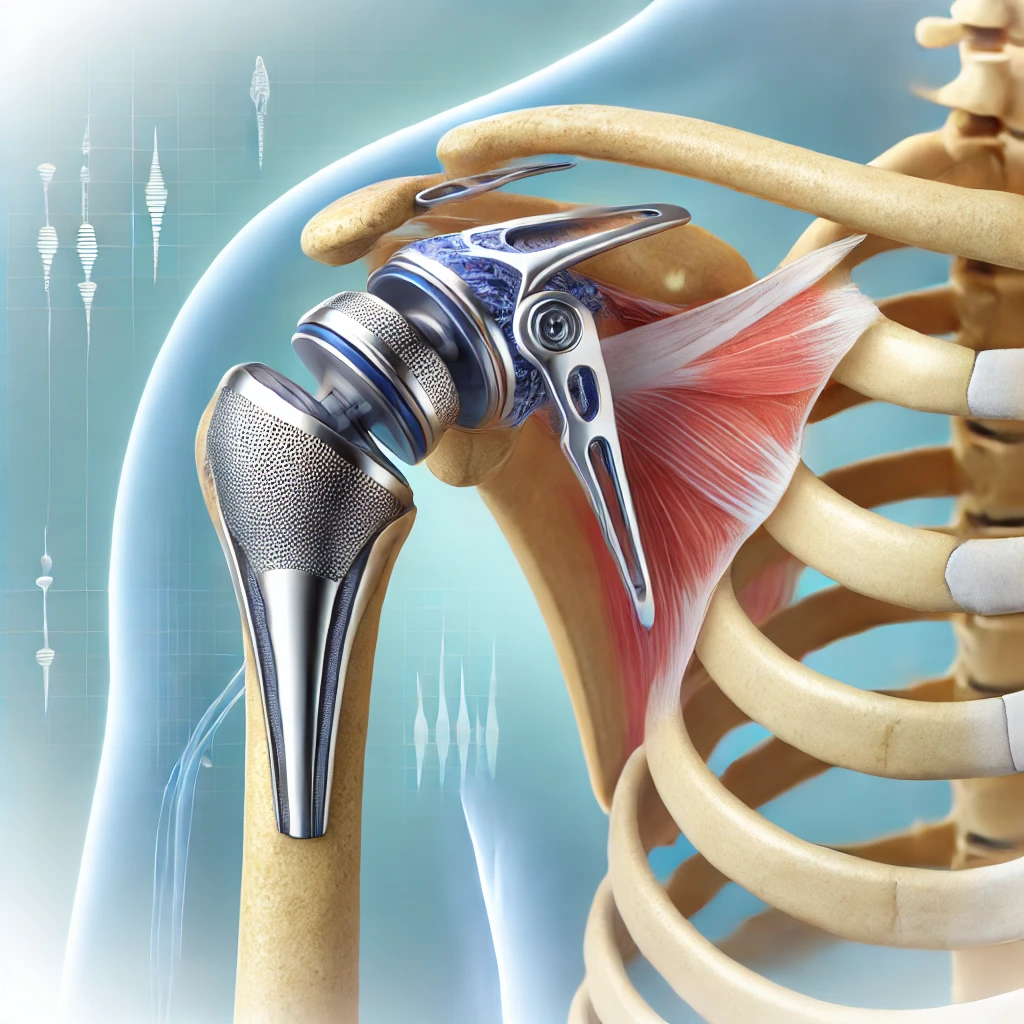
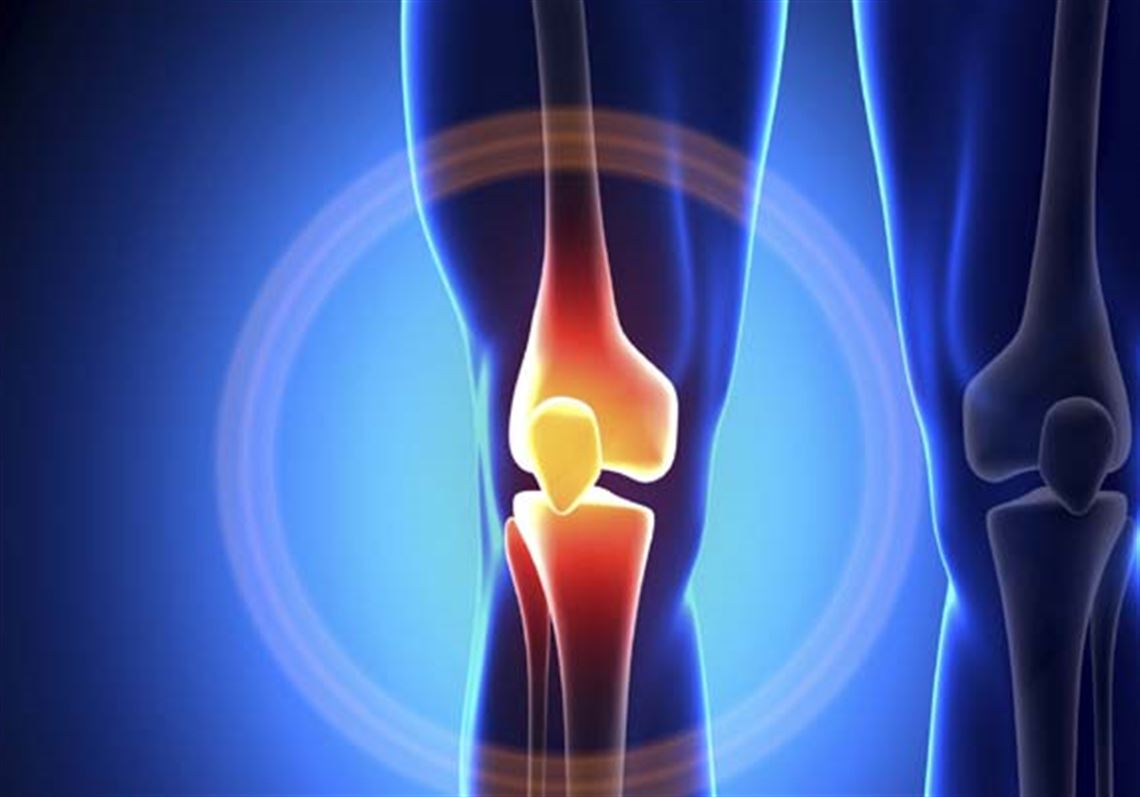
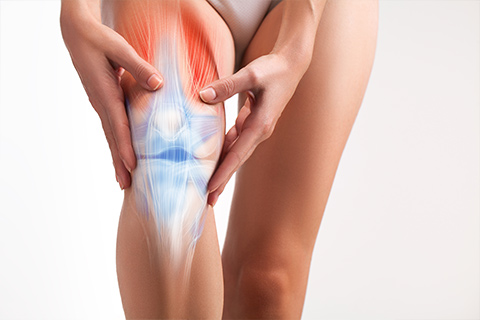
Arthroplasty is a surgical procedure to replace a damaged joint with an artificial implant (prosthesis). Most common arthroplasty procedures involve the hip and knee, but it can also be performed on other joints such as the shoulder or elbow.
When is Arthroplasty Needed?
Arthroplasty is recommended when joint wear and tear causes severe pain and limited mobility, affecting quality of life. Common causes include:
Osteoarthritis
Rheumatoid arthritis
Joint injuries or fractures
Aseptic necrosis
Benefits of Arthroplasty
Arthroplasty can offer significant benefits, such as:
Relief from chronic pain
Restoration of mobility
Improved quality of life
Increased independence in everyday life
How to Prepare for Arthroplasty
Inform the surgeon about the medications you are taking
Maintain a healthy weight for better recovery
Prepare your home for the recovery period (e.g., remove rugs to prevent falls)
Frequently Asked Questions for Arthroplasty
1. How long does the prosthesis last? Most prostheses last 15-20 years.
2. Will I need a reoperation? Reoperation may be required if there is wear or loosening of the prosthesis.
3. When can I return to work? It depends on the nature of the work, but usually within 6-12 weeks.
Conclusion
Arthroplasty is an effective solution for people suffering from chronic joint pain and reduced mobility. With proper preparation and rehabilitation, most patients return to an active and pain-free lifestyle.
If you are considering arthroplasty, consult your orthopedic surgeon for more information and personalized advice.
Interventional Procedure
The surgical procedure takes approximately 1-2 hours, depending on the joint. The patient receives general or epidural anesthesia. The surgeon removes the damaged part of the joint and replaces it with the artificial prosthesis.
Recovery and Rehabilitation
Hospitalization: 1-3 days
Physical therapy: Begins immediately after surgery
Return to daily activities: 6-12 weeks
Sports activities: Gentle activities such as walking and swimming are recommended after full recovery
Risks and Complications
Although arthroplasty is a safe procedure, complications may occur such as:
He has specialized with a scholarship from the Hellenic Army in “Hip-Knee Surgical Reconstruction and Orthopaedic Oncology” in the most modern surgical techniques, at theRoyal National Orthopaedic Hospital, Stanmore, London.
Today he holds the rank of “Chief General Surgeon”, is Director of the 2nd Orthopaedic Clinic 401 of the GNHA
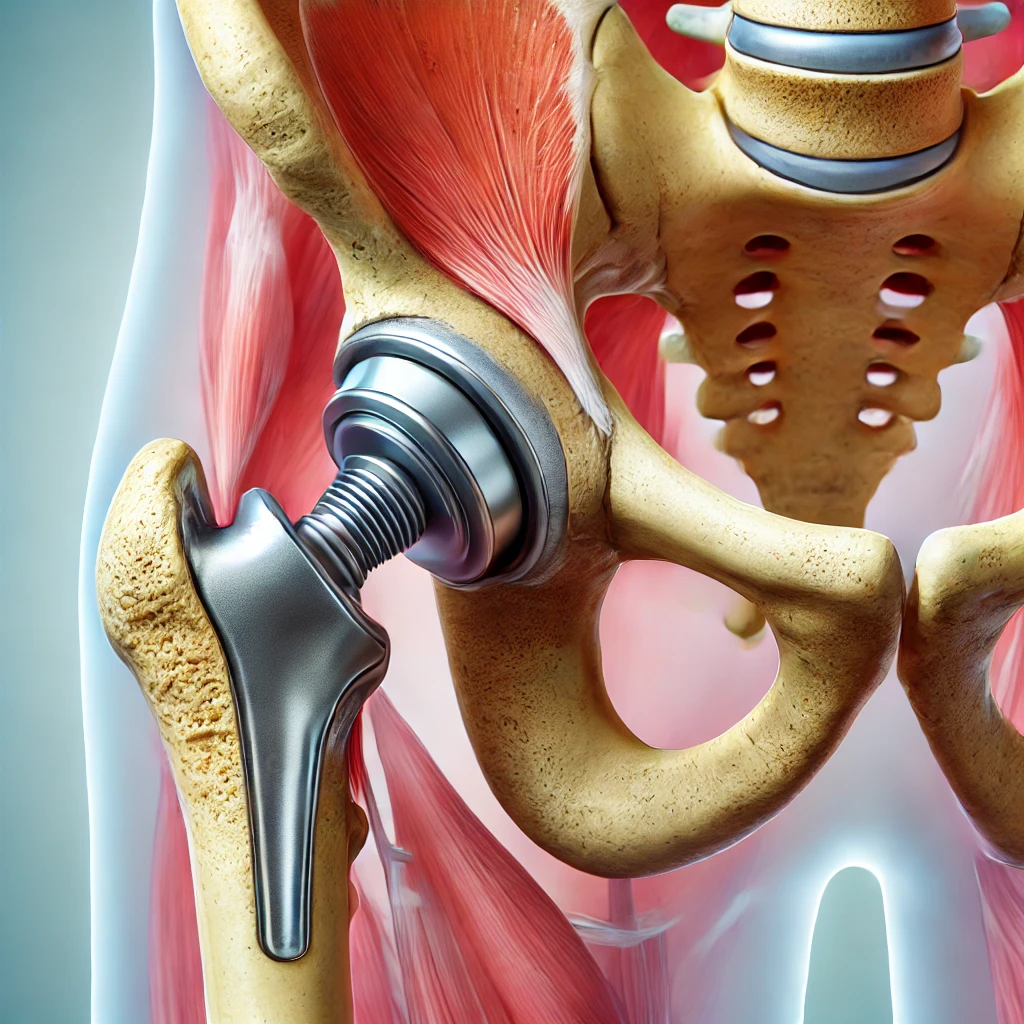
Hip arthroplastyHip arthroplasty involves replacing the diseased joint with a metal prosthesis.
It is usually performed in cases of hip osteoarthritis.
First, based on the findings of an x-ray, the damaged femoral head is removed.
Then, the specialized orthopedic surgeon creates a recess in the pelvis in order to place the special cup in which the artificial femoral head will fit and function.
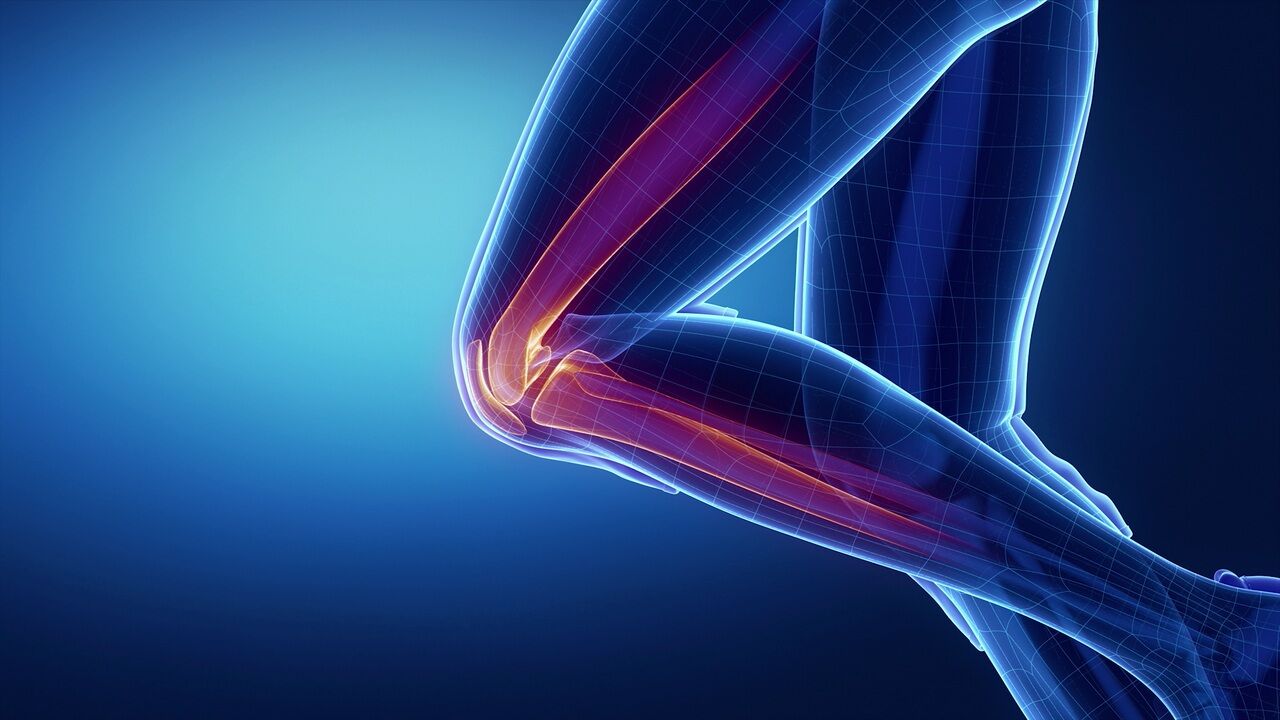
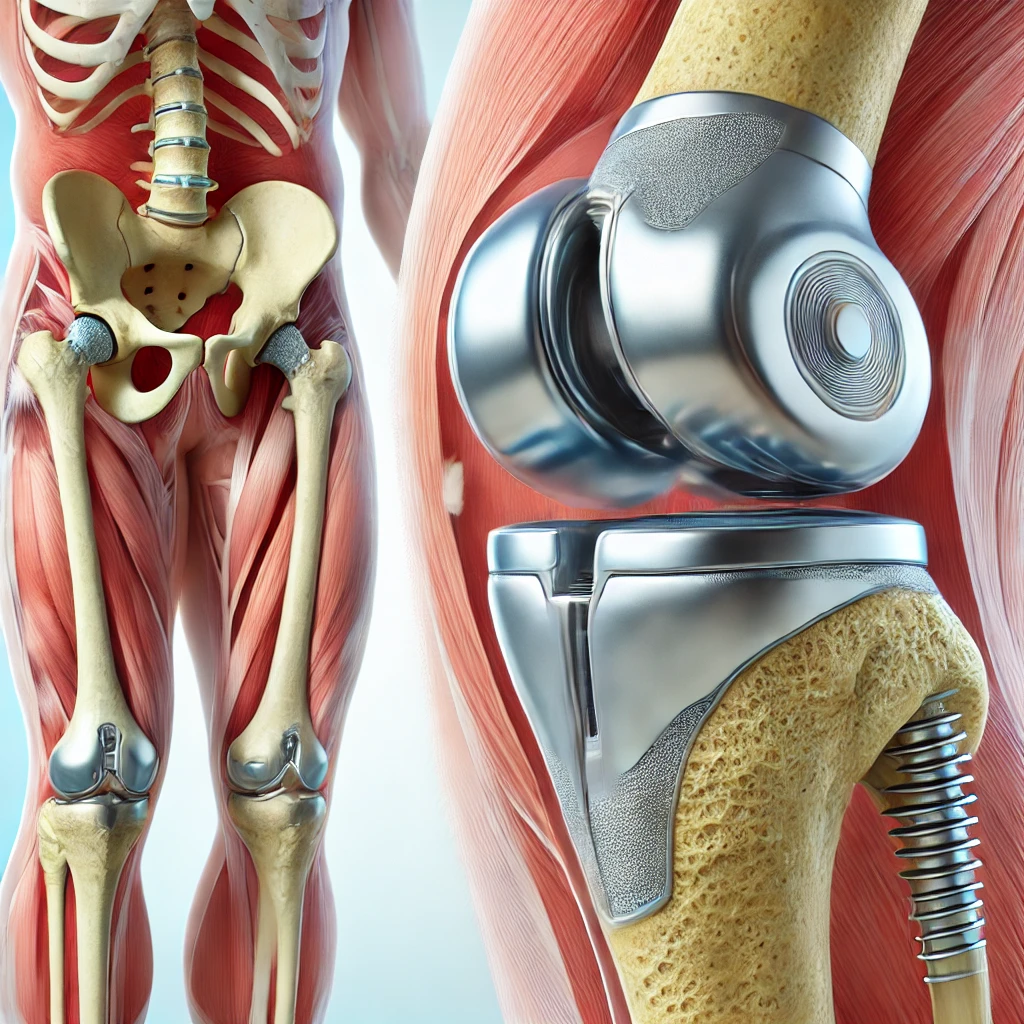
Knee arthroplasty is the invasive method used to change a partial or total knee joint that is suffering, mainly due to knee osteoarthritis and any other degenerative joint disease. In this case, the damaged articular cartilage of the thigh and shin is removed and replaced by special metal implants, made from materials compatible with the human body.
Total Knee Arthroplasty
In the case of total knee arthroplasty, as much healthy bone as possible is preserved, which is particularly important in the event that a repeat arthroplasty is required in the future. Specifically, the diseased joint is replaced with a metal prosthesis.
Fast Track or Enhanced Recovery After Surgery (ERAS) in Arthroplasty Surgery The concept of Fast Track or ERAS was introduced 20 years ago by the Danish general surgeon Henrik Kehlet, who was the first to be inspired and implement specific protocols to improve the postoperative outcomes of his patients. A Fast Track or ERAS surgery is characterized by a coordinated perioperative approach to the patient through specialized actions and techniques aimed at reducing surgical stress and improving postoperative recovery.